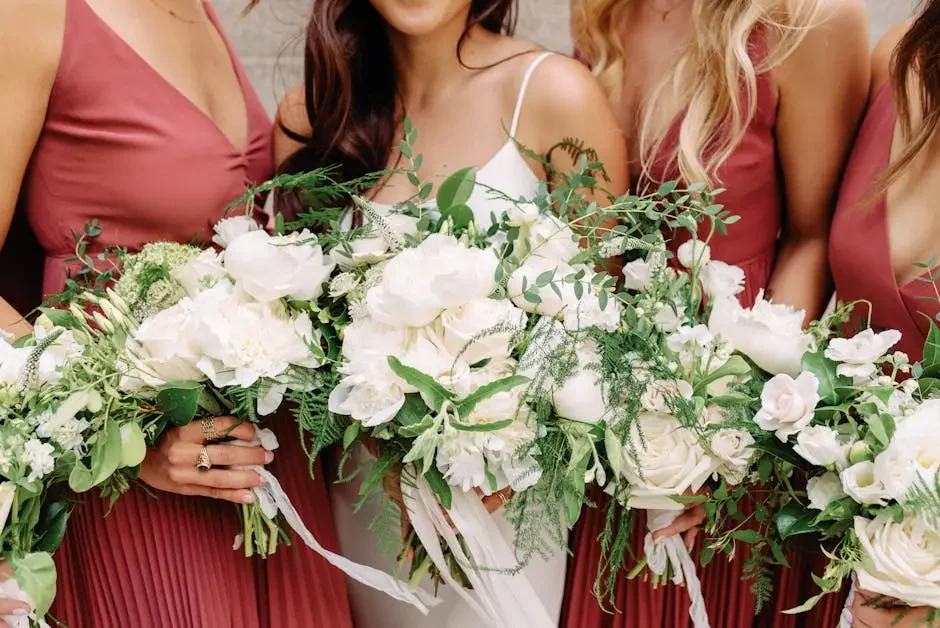
Jewish weddings are steeped in rich traditions, and flowers play a significant role in enhancing the beauty of these ceremonies. Blending unique floral arrangements with Jewish wedding customs can create a stunning visual that honors the couple's heritage while adding a personal touch. In this blog, we’ll explore various ways to incorporate distinctive floral designs into your wedding while respecting and celebrating Jewish traditions.
Understanding Jewish Wedding Traditions
To blend floral arrangements seamlessly into your wedding, it’s essential to understand the key traditions that shape Jewish ceremonies. From the chuppah to the bride's bouquet, each element has its own significance. Beyond simply being decorative, flowers have profound meanings that enrich the symbolic aspects of the ceremony. For instance, the chuppah, or wedding canopy, is often adorned with flowers, representing the couple's new home filled with beauty and love. It's an inviting shelter that embodies the spirit of the relationship.
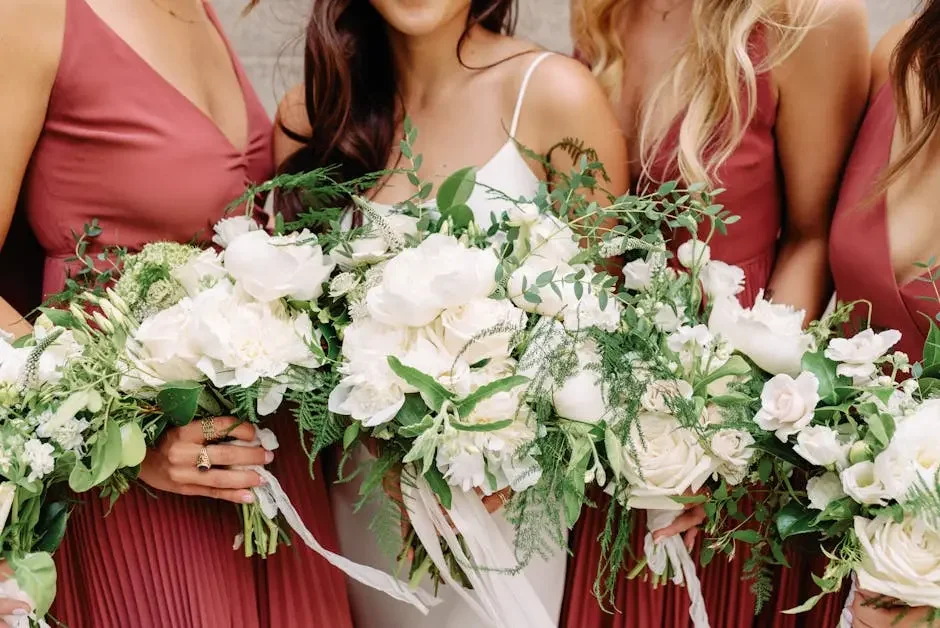
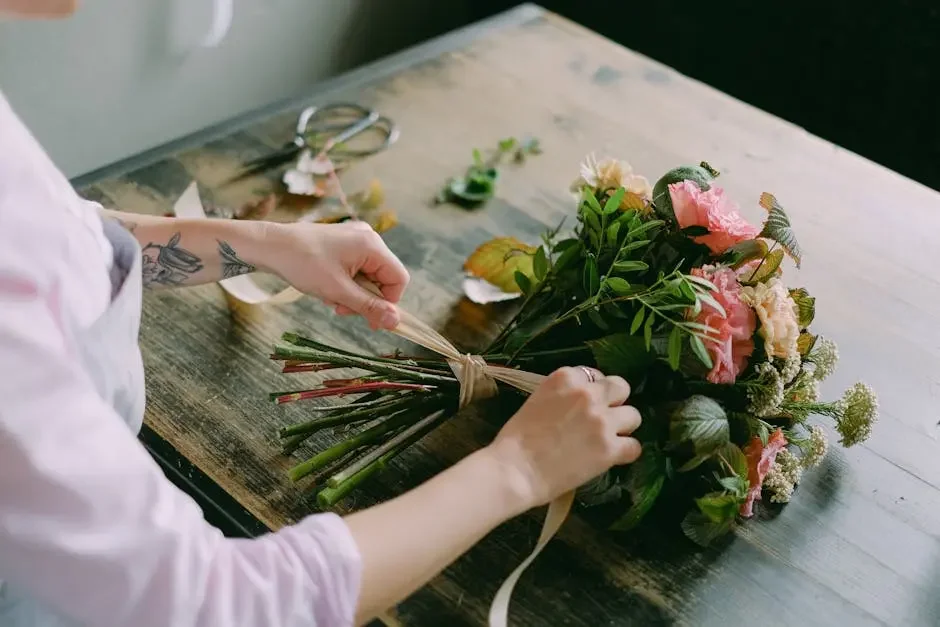
Additionally, the custom of the bride carrying a bouquet can be traced back to ancient times when herbs and spices were used to ward off bad spirits. Modern interpretations can still honor this tradition while allowing for more creativity in floral choice. Exploring local and seasonal blooms not only adds uniqueness but also an element of sustainability, which many couples value today. Every detail counts when weaving personal stories in with longstanding customs.
Finally, it's important to remember that each family may have its own traditions and interpretations, which can be beautifully integrated into your floral design. Consulting with family members can spark inspiration and allow for a more personalized wedding experience. By marrying these diverse elements, the floral arrangements can narrate a story unique to the couple—one that intertwines their love with their heritage.
The Symbolism of Flowers in Jewish Culture
Flowers carry deep meanings in Jewish culture, often symbolizing beauty, life, and new beginnings. This section will explore how specific flowers relate to Jewish values and traditions. Take, for example, the rose—a symbol of love and beauty, which is often favored in wedding bouquets. Just as love can flourish like a blossoming rose, this flower embodies the sentiment of commitment and promise inherent in Jewish marriage.
In addition, the lily represents purity and new beginnings, making it an ideal choice for wedding arrangements. These flowers not only resonate with the couple’s aspirations but also link back to scriptural references where they are mentioned as symbols of divine beauty. Incorporating such characters into floral choices can deepen the personal and spiritual connection during the ceremony.
Moreover, using specific flowers that hold cultural relevance can also engage guests in the symbolism behind them. It creates a backdrop of understanding and appreciation for Jewish heritage, which is essential at weddings. Educating your guests about the meanings behind your chosen flowers can enhance their experience and connection to the overall theme of the event, ensuring a memorable celebration.
Choosing Your Floral Style: Traditional vs. Modern
Deciding between traditional floral arrangements or modern interpretations can be challenging. Here, we’ll discuss how to find a balance that resonates with your vision and respects traditions. Traditional arrangements often utilize familiar flowers rooted in Jewish history, like pomegranates, which symbolize abundance and fertility. These arrangements tend to have a regal and classic aesthetic that captures the essence of age-old customs.
In contrast, a modern approach allows for creativity and unique design principles. Consider using unexpected color palettes or asymmetrical designs that reflect contemporary tastes while still incorporating traditional flowers. For example, a sleek, minimalist arrangement of white lilies paired with vibrant wildflowers can create a stunning focal point that juxtaposes tradition with modern elegance.
Ultimately, the best floral style for your wedding should echo your personality and relationship. Whether that means opting for a vibrant, eclectic mix or a sophisticated, monochromatic scheme, what matters is that your choices connect with your narrative. Consulting with a florist who understands both your vision and the importance of maintaining respect for Jewish customs can help solidify these elements into an unforgettable arrangement.
Incorporating Unique Flowers into the Ceremony
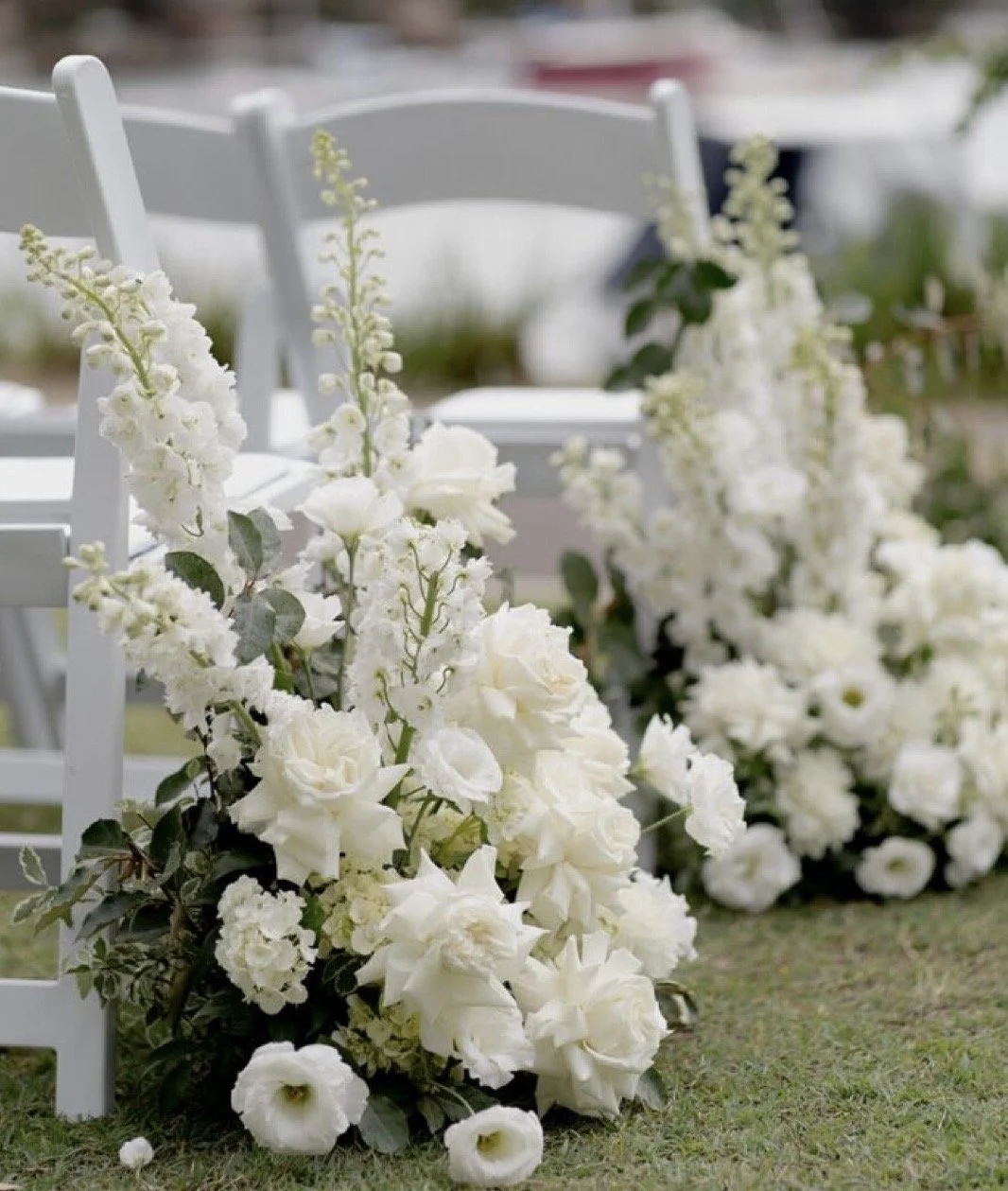
From the chuppah to table centerpieces, unique flowers can enhance various aspects of the ceremony. We’ll look at creative ideas for incorporating rare blossoms into each part of the wedding. Imagine walking down the aisle lined with striking, exotic blooms that evoke a sense of wonder. Flowers like orchids or anemones can add an element of surprise and delight, captivating your guests from the very start of the event.
At the chuppah, consider a floral design that combines both traditional flowers with unique varieties. This blend not only honors age-old practices but also sets your celebration apart. Aim for an arrangement that includes lush greenery intertwined with vibrant blossoms, framing you and your partner beautifully. This can express the idea of growth and new life together, further enriching your ceremony.
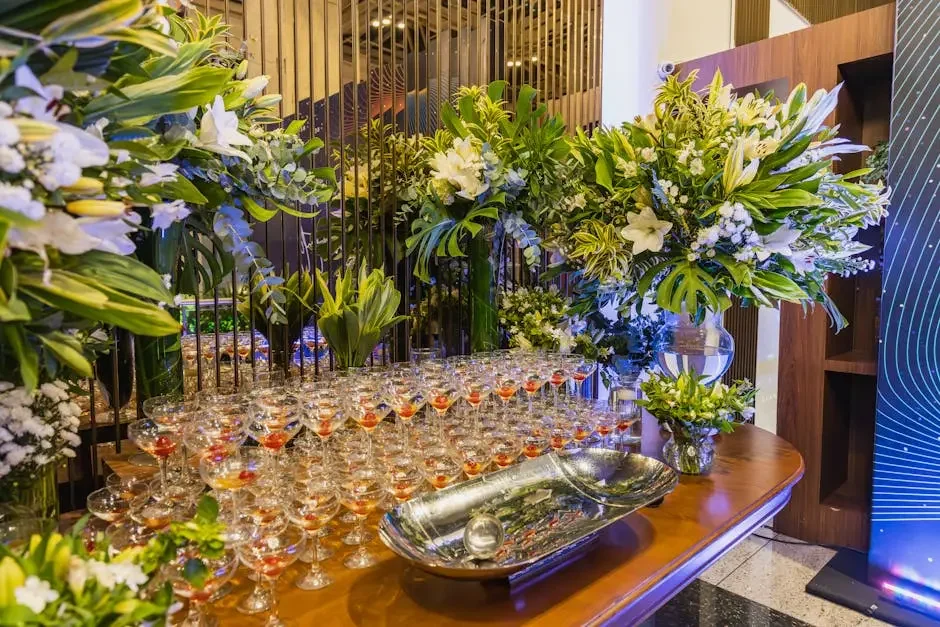
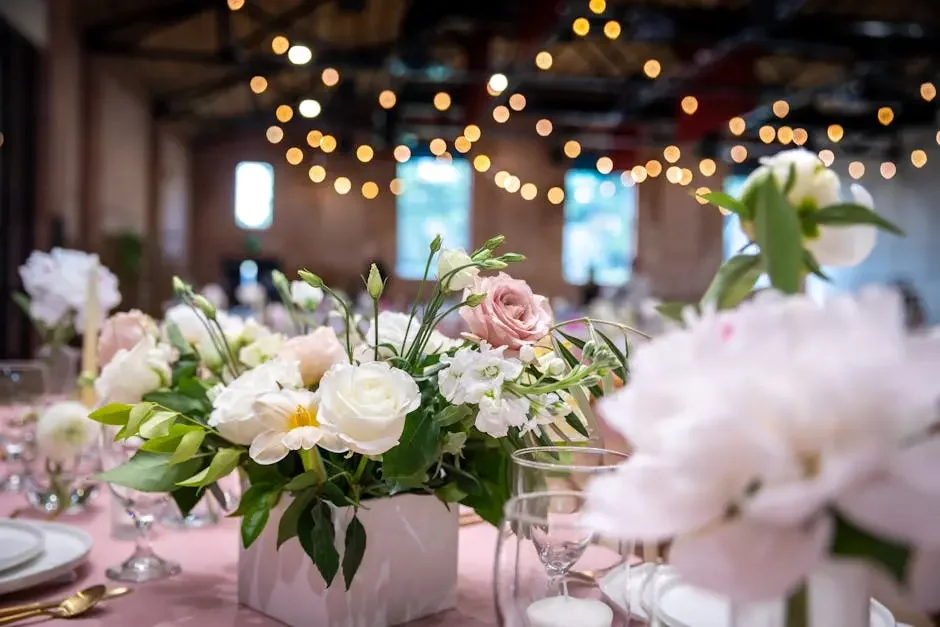
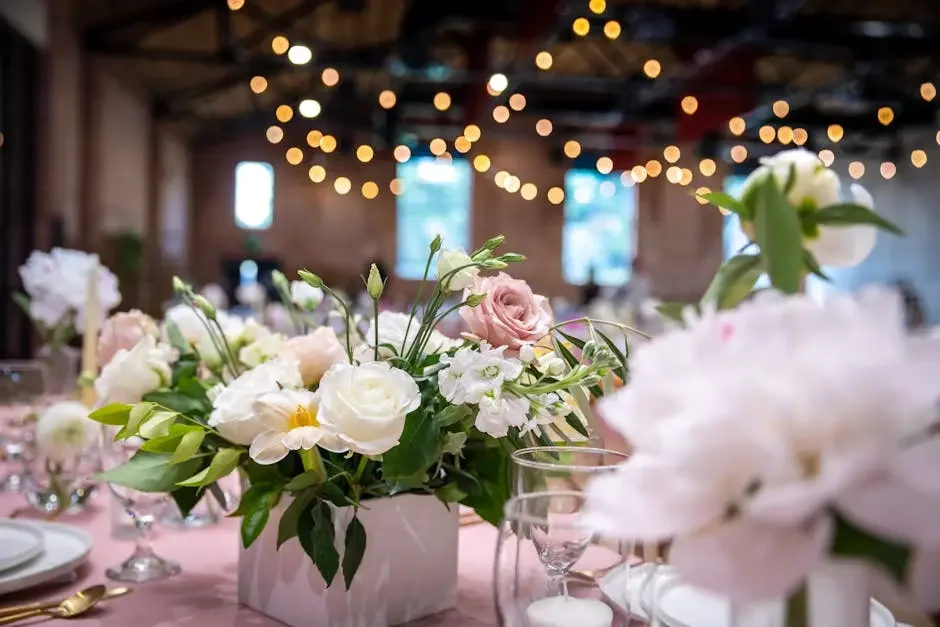
Moreover, don’t forget about the reception! Unique floral centerpieces can become conversation starters and are an opportunity to inject your personality into the event. Using flowers in unexpected color combinations, or even unusual varieties, can leave a lasting impression on guests. Just remember to consider the overall theme and aesthetic of your wedding to ensure a cohesive look that feels purposeful and well thought out.
Celebrating with Seasonal Flowers
Using seasonal flowers not only supports local growers but also adds a fresh feel to the wedding décor. This section will provide tips on selecting flowers that will be in bloom during your wedding season. When flowers are in season, they’re typically more vibrant and fragrant, which can greatly enhance the sensory experience of your wedding. Moreover, seasonal options can often be more cost-effective, allowing for a more generous budget to be allocated to other important aspects of the day.
For instance, if you’re planning a spring wedding, think about incorporating peonies or tulips, known for their lushness and variety of colors. Summer weddings might invite sunflowers or dahlias, embodying the essence of warmth and joy. Fall couples often turn to richly colored chrysanthemums or decorative gourds in their arrangements. Each season offers its own cast of characters that can help thematically tie your wedding together.
Additionally, consider choosing flowers that not only suit the season but also hold significance within Jewish tradition. For example, associates of the autumn harvest can serve as a beautiful reminder of abundance and gratitude during the celebration. By using seasonal flowers that resonate with both your aesthetic and heritage, you create a more thoughtful and immersive experience for everyone involved.
Personal Touches: Customizing Your Floral Arrangements
Adding personal touches can truly make your floral arrangements one-of-a-kind. Here, we’ll share ideas for customizing your flowers to reflect your loves, stories, and roots. One way to do this is by including blooms that hold specific memories or emotions for you as a couple. Perhaps white daisies remind you of your first picnic together, or the vibrant red zinnias make you remember a family garden.
You might also want to incorporate elements from your cultural background or family traditions into the floral designs. For instance, using specific flowers that may have appeared in your family's weddings or special holidays can create a powerful connective thread across generations. This homage creates a richer narrative and shows respect for your roots while personalizing the look.
Beyond the blooms themselves, think about how you present your arrangements. Unique vases, hand-painted containers, or heirloom pieces can elevate the presentation significantly. The more thought you put into displaying your floral arrangements, the more they will resonate with your guests. Ultimately, your floral choices should highlight your personalities and love story, making your special day all the more memorable.
Working with a Florist Experienced in Jewish Weddings
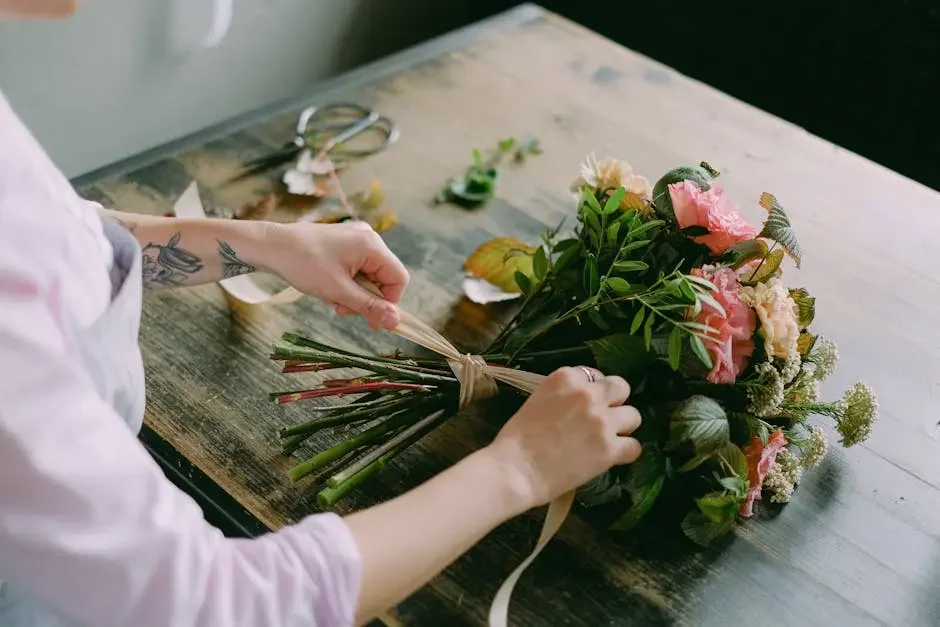
Finding a florist who understands Jewish wedding traditions can make all the difference. We’ll discuss what to look for when selecting a florist and how to communicate your vision. Begin by researching florists who specialize in weddings, specifically those who have experience with Jewish customs. A florist well-versed in these traditions will grasp the significance of various floral elements and how they fit into the larger picture of the ceremony.
When meeting potential florists, come prepared with ideas about the type of arrangements you envision. Sharing your thoughts and preferences will not only help convey your style but also allow the florist to guide you based on their expertise. Open dialogue is key, as this professional insight can help bring your floral dreams to life and instill confidence in their understanding of both your wants and marriage rituals.
Additionally, consider asking for referrals from friends or family who’ve recently planned weddings or events. Personal recommendations can lead you to talented florists who embody the vision and cultural sensitivity you're looking for. Remember, the right florist will partner with you to create arrangements that are more than just beautiful flowers—they’ll be symbols of your love and commitment, wrapped in the tradition you cherish.
Final Thoughts on Floral Elegance in Jewish Weddings
Incorporating unique floral arrangements into your Jewish wedding doesn't have to be a daunting task. By understanding the traditions and drawing inspiration from different floral styles, you can create a beautiful and meaningful atmosphere for your celebration. Remember, the key is to balance personal expression with the respect for the customs that make the day special. With thoughtful planning and creativity, your floral designs can truly reflect your love story.