
15 Tips to Choose the Perfect Flowers for Your Big Day
Planning a wedding can be overwhelming, but choosing the right flowers doesn’t have to be. Flowers not only add beauty but also bring a personal touch to your celebration. In this guide, we'll explore some helpful tips to assist you in selecting the perfect blooms for your special day. Whether you envision a romantic garden, a rustic charm, or modern elegance, these tips will lead you in the right direction.
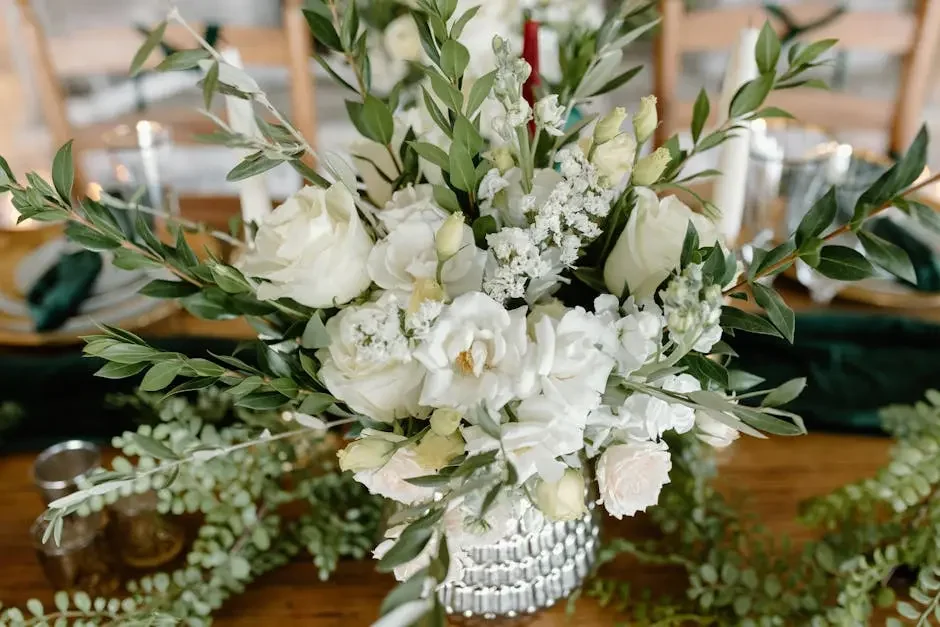
1. Understand the Seasonal Options
Explore which flowers are in season during your wedding month to ensure freshness and availability. Seasonal flowers not only tend to be more affordable, but they also carry the vibrancy and character that epitomize your wedding's intended feeling. For instance, if you’re planning a spring wedding, consider the beautiful options like tulips, peonies, and daffodils that may not be available in the fall. And, let’s be honest, who doesn’t want to have flowers bursting with life for their big day? Don’t forget to check local florists’ recommendations, as they often have insights into the best blooms available at that time of year.
Additionally, remember that regional differences can also affect flower availability. For example, certain flowers may thrive in one part of the country but struggle in another. By researching seasonal blooms specific to your area, you can make a more informed choice. Seasonal flowers can create a stunning visual narrative that reflects the time of year you’re getting married—perfect for enhancing the overall ambience of your celebration.
2. Consider Your Wedding Theme
Align your floral choices with the overall theme of your wedding to create a cohesive look. Every wedding theme tells a story, and your flowers can amplify that message. For instance, if you are going for a bohemian style, wildflowers, and textured greenery can evoke that desired relaxed yet chic vibe. On the other hand, for a modern, minimalist look, select sleek, structured blooms like calla lilies or orchids that reinforce simplicity and elegance.
Moreover, don't hesitate to draw inspiration from your venue. The architecture, landscape, and décor of the location can provide clues on which flowers would best complement the surroundings. If your venue is an intimate garden, utilizing elegant roses can blend beautifully, while a beachfront venue may call for cheerful, vibrant tropical flowers. Combining your floral choices with the setting can create an Instagram-ready backdrop that leaves guests in awe.
Also, think about how your chosen flowers fit into other elements like your attire, the cake, and overall color schemes. Consistently applying your theme across all aspects of the wedding will create a polished look that resonates with all your decor.
3. Choose Colors that Complement Your Palette
Select flower colors that harmonize with your wedding color scheme for a seamless appearance. A thoughtful color palette plays a crucial role in how your wedding will be perceived—and flowers are at the heart of this. Whether you’re drawn to romantic pastels or bold, vibrant hues, it’s essential to carefully consider how your flower colors interact with each other. For instance, pairing soft peach roses with white peonies can create a soft, romantic ambiance, while deep burgundy dahlias alongside ivory blooms can establish a dramatic flair.
Furthermore, consider the way colors will look in different lights. Colors can shift depending on the time of day and lighting at your venue, so test them in similar conditions to what you expect on the day. This attention to detail can assure that your wedding flowers look stunning in photographs and during the event itself.
And don’t be afraid to think outside the box! Incorporating unexpected color combinations can provide a unique twist that might leave your guests talking long after the wedding. Use accents like ribbons or table linens to build connections with your floral arrangements, reinforcing the overall aesthetic.
4. Think About Flower Meaning
Incorporate flowers that represent love, happiness, or other sentiments significant to your relationship. Every flower carries its own symbolism—understanding this can turn your flower selection into a deeply personal expression of your love story. Roses often symbolize love and passion, whereas lilacs may represent first love, making them perfect additions to a romantic bouquet. Picture walking down the aisle surrounded by flowers that not only look good but also possess meanings that resonate with your journey together.
Moreover, using flowers that carry special significance to you can enhance the emotional depth of your wedding. For instance, if you and your partner bonded over a shared love of sunflowers during a memorable camping trip, incorporating them into your arrangements can serve as a lovely nod to that moment. At the end of the day, your wedding is a celebration of your unique bond, and flowers play a pivotal role in reflecting that.
5. Consult with a Floral Designer
Engage with an experienced floral designer who can offer expertise and creative suggestions tailored to your vision. Although many couples have clear ideas about their favorite flowers, a professional can provide insights into what will work best together and fit seamlessly with your theme. Ask them questions about seasonal availability, maintenance, and arrangement styles—consider it a mini-workshop in floral design! Good designers share their knowledge eagerly and can provide you with fresh ideas that you might not have considered.
In addition to professional advice, they can also help you bridge the gap between your dream and reality. Sometimes budget constraints can limit options, but a skilled floral designer will know how to stretch your budget without compromising your vision. They can suggest alternatives or suggest new combinations that come in at a lower cost but still look stunning. Building a relationship with your florist can elevate the entire experience and lead to beautiful results on your big day.
6. Prioritize Budget Management
Set a clear budget for your flowers, keeping in mind that certain blooms may be more expensive depending on the season. Flowers can quickly become one of the larger expenses of a wedding if not tracked properly. Start by identifying your overall wedding budget, and then decide how much you’re willing to allocate specifically for flowers. Remember to factor in not just the cost of the flowers themselves, but also any additional fees for arranging, delivery, and set-up.
Once you have a budget in place, prioritize your must-haves and be open to alternative suggestions. Some flowers may be favorite but costly, so exploring similar, more budget-friendly options can mean the difference between staying within budget or overspending. Using these budget guidelines can help you make choices that align with both your dreamy aesthetic and your pocketbook, ensuring peace of mind as you approach your wedding day.
7. Decide on Flower Types for Arrangements
Differentiate between bouquets, centerpieces, and ceremony decor to ensure you have a balanced selection. It's essential to think about how your flowers will float from one segment of your celebration to another—ensuring coherence while adding visual dynamism. Bouquets should not only reflect your personal style but also complement the flowers chosen for the reception and ceremony.
Think about how these elements will interact visually and emotionally. Your bridal bouquet might be bold with deep hues, while centerpieces could feature softer tones that create contrast and interest at each table. Every arrangement has its purpose, and being thoughtful about which types of flowers suit those purposes will lead to a harmonious flower presentation on your big day.
8. Incorporate Unique Foliage
Enhance the visual interest of your arrangements by adding greenery or unusual foliage for texture. While flowers often take center stage, greenery like ferns, eucalyptus, or even herbs can provide depth and background for blooms. Using different textures can take a floral arrangement from ordinary to extraordinary, crafting an engaging visual experience. Imagine centerpieces with plumes of pampas grass, or stunning bouquets featuring trailing ivy—all beautifully accentuating your flowers while standing alone as captivating elements.
Moreover, incorporating unique foliage can allow for creativity within your floral theme. If you lean toward a rustic wedding, think about using natural elements such as branches or berries. If modernity is your style, select sleek, linear leaves that echo the look of your decor. The right foliage not only enriches the aesthetic appeal but also contributes to the theme you’ve created for your big day.
9. Consider Allergies and Sensitivities
Take into account any allergies of you and your guests to avoid potential issues on your big day. While you may have a favorite flower that instantly lifts your spirits, it’s essential to consider whether anyone in attendance might have adverse reactions. Flowers like lilies or even certain scented blooms can trigger allergies for some guests, potentially taking away from the enjoyment of your celebration.
Communicating these details with your florist can ensure that you select blooms that are beautiful yet safe for everyone. Exploring hypoallergenic flower options can be a brilliant solution! Often, flowers like roses, orchids, and peonies pose little to no risk for sensitive individuals, allowing you to still create stunning arrangements without worrying about the discomfort of guests.
10. Plan for the Bouquets and Boutonnieres
Ensure your bridal bouquet and groom's boutonniere match the theme while allowing room for personalization. Your bouquet is one of the most photographed elements of your wedding day, so don't underestimate its importance! From the size and shape of the bouquet to the types of flowers selected, every detail contributes to the overall impact. Engage your creativity when deciding how to make these pieces uniquely yours, whether that means including a special ribbon or family heirloom tucked into the arrangement.
The groom's boutonniere, while smaller, should also resonate with the flowers in your bouquet and centerpieces. Coordinating these elements strengthens the visual story of your wedding day and connects you as a couple in a subtle yet impactful way. Even the smallest details can create beautiful aesthetics and memorable moments on your special day.
11. Think About Longevity and Preservation
Choose flowers that will last throughout your wedding day, and consider options for preserving your bouquet after. Your flowers should remain vibrant during the ceremony, reception, and all the in-between moments. When discussing choices with your florist, inquire about flower durability, ensuring you select blooms that won't wilt under the excitement of your wedding festivities.
Furthermore, consider how you might preserve your bouquet after the celebrations. Many couples opt for flower preservation techniques to have a beautiful keepsake that will remind them of their big day. Whether it’s professional preservation or DIY drying methods, keeping your bouquet intact can serve as a sentimental memento that holds a cherished place in your home.
12. Explore Alternative Options
Don't hesitate to explore alternatives like faux flowers or other unique finds that fit your theme. In today’s market, faux flowers are more realistic than ever and can provide an elegant touch to your arrangements without the worry of wilting. In addition, they’re a fantastic option if you want to keep mementos long after the wedding, as they won’t fade or lose their charm over time.
Incorporating other unique elements can also bring a fresh approach to your floral design. Think about including unusual items like dried flowers, scented herbs, or even fruits—and discover how they can complement your main floral selections. Exploring these avenues can lead to beautifully unique arrangements that stand out and inspire your guests and fellow planners alike.
13. Ask About Delivery and Set-Up
Confirm with your florist about the logistics of delivery and set-up to ensure everything runs smoothly. Understanding the timeline of when flowers will arrive will help you plan accordingly. Delays can easily happen, so it’s crucial to discuss these matters in advance to prevent any last-minute jitters. Knowing that your florals will be perfectly placed, when needed, provides peace of mind on an already busy day.
Remember to also consider who will be responsible for setting up the arrangements. Will your florist handle this, or will you need to designate someone else to take care of it? Having a clear plan prevents stress on the day-of, allowing you to focus on enjoying every moment. Brainstorming with your florist will lead to a hassle-free floral execution that enhances the beauty of your wedding.
14. Trust Your Instincts
Ultimately, choose flowers that resonate with you and make you feel excited for your wedding day. Your flowers should reflect your personal style and resonate with the emotions you want to evoke on your special day. As you review your options, remember that trends come and go, but the feelings associated with your wedding can last a lifetime.
Listen to your heart as you narrow down choices and focus on what truly speaks to you. Couples often find that their intuition guides them to the most meaningful selections, so don’t shy away from incorporating flowers that hold special significance, no matter if they are popular or not. After all, your wedding day should be a heartfelt representation of your love story, and the right flowers can dramatically enhance that narrative.